
Compare Local Contractors for Commercial Slab Construction Projects
Compare local contractors for commercial slab construction to define project scope, verify experience, and set clear expectations for a successful build.
Commercial slab construction involves creating the foundational concrete surfaces necessary for various types of business facilities, such as warehouses, retail centers, office buildings, and industrial complexes. This work typically covers site preparation, formwork, reinforcement placement, concrete pouring, and finishing. Properly executed slabs provide a durable, level base that supports the structural integrity of the entire building. Ensuring the scope of work is clearly defined helps property owners understand what is included, whether it’s the thickness of the slab, reinforcement details, or specific surface finishes. Clarifying these aspects early on can prevent misunderstandings and ensure the project meets the intended use and load requirements.
Defining the scope of a commercial slab project is essential for setting realistic expectations and avoiding potential issues during construction. Property owners should work with local contractors to establish detailed plans that specify the size, thickness, reinforcement, and any special requirements such as insulation or moisture barriers. Having these details in writing creates a clear reference point for both parties and helps ensure the work aligns with the overall project goals. It also provides a basis for comparing different contractors’ proposals, allowing property owners to evaluate what each service provider offers in terms of experience, approach, and attention to detail.
When comparing local contractors for commercial slab construction, it’s important to consider their experience with similar projects and their understanding of local building conditions. Property owners can review references or past work to gauge a contractor’s capabilities and reliability. Asking about their familiarity with local codes, site challenges, and material preferences can help identify service providers who are well-versed in the area’s specific requirements. Additionally, verifying that contractors provide detailed written proposals that outline the scope, materials, and responsibilities can facilitate an informed comparison. This approach ensures that property owners select a professional who can deliver the desired results with clarity and accountability.
Compare local contractors by outlining project priorities, verifying experience, and clearly defining scope and expectations.
- Verify Experience - Confirm that contractors have relevant experience in commercial slab construction projects.
- Define Project Scope - Clearly outline the work requirements and expectations in written agreements.
- Compare Service Providers - Evaluate local contractors based on expertise, reputation, and available services.
- Ensure Clear Communication - Maintain open dialogue to set expectations and prevent misunderstandings during the project.
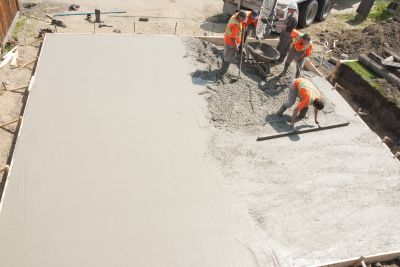
Clearly describe your commercial slab project to effectively compare local contractors, verify experience, and set expectations in writing.
- Verify the experience of local contractors with commercial slab construction projects similar in scope and size. - Ensure that service providers clearly define the scope of work and project expectations in writing.
- Compare the credentials and reputation of local contractors through reviews, references, or portfolio examples. - Confirm that contractors have a solid track record of completing commercial slabs to industry standards.
- Check that detailed project plans, including materials and methods, are provided before work begins. - Look for contractors who outline the construction process and materials to avoid misunderstandings.
- Assess the communication process to ensure the contractor is responsive and transparent during the planning phase. - Clear communication helps set realistic expectations and facilitates smooth collaboration.
- Confirm that the scope of work, responsibilities, and deliverables are documented in a formal agreement. - Written contracts help protect the interests of all parties involved in the project.
- Ensure that the contractor understands local building codes and permits applicable to commercial slab construction. - Proper adherence to regulations is essential for legal compliance and project approval.
Compare local contractors’ experience, define scope clearly, and set expectations in writing to ensure a successful commercial slab project.

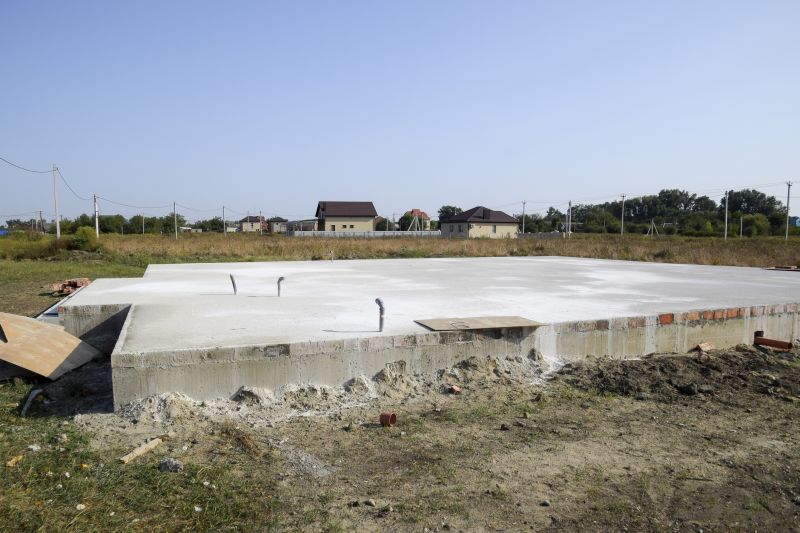
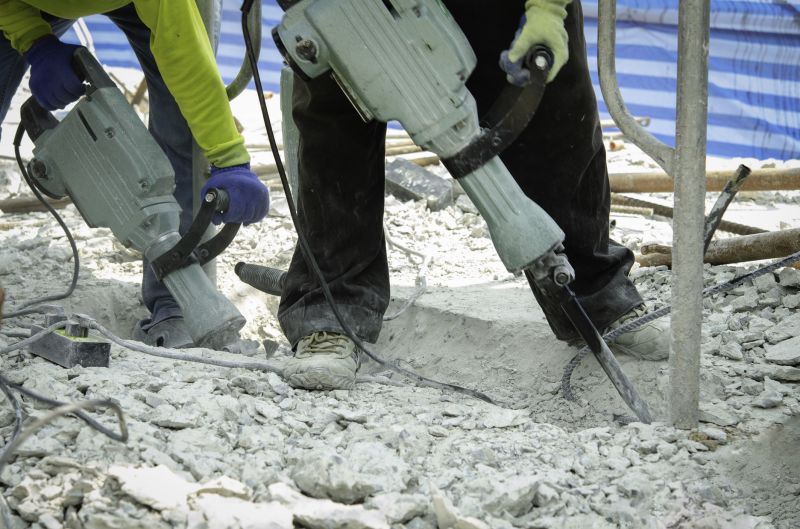

This section guides comparing local contractors for commercial slab construction by defining scope, verifying experience, and setting clear expectations.
- Project Scope Definition - Clearly outline the specific requirements and dimensions of the commercial slab to ensure alignment with project goals.
- Experience Verification - Confirm that local contractors have relevant experience in commercial slab construction projects of similar scope.
- Material Specifications - Specify the types of materials to be used, including concrete grade and reinforcement details, to match project standards.
- Scope Documentation - Document all work items, responsibilities, and expectations in writing to prevent misunderstandings.
- Permitting and Compliance - Identify necessary permits and ensure contractors understand and adhere to local codes and regulations.
When evaluating contractors for commercial slab construction, it is essential to consider their experience with similar projects. Contractors who have a proven track record working on commercial slabs comparable in size, complexity, or industry type are more likely to understand the specific requirements and challenges involved. Asking for details about past projects can help identify those with relevant expertise, ensuring they are familiar with the standards and conditions typical of commercial slab work. This focus on experience can reduce uncertainties and provide confidence that the contractor understands what the job entails.
A clear, written scope of work is a vital component when comparing service providers. A comprehensive scope outlines the specific tasks, materials, and responsibilities involved in the project, helping to establish shared expectations. It should detail the extent of site preparation, concrete specifications, reinforcement, curing processes, and finishing details. Having a well-defined scope in writing minimizes misunderstandings and provides a basis for evaluating how thoroughly each contractor has considered the project’s needs, making it easier to compare their proposals objectively.
Verification of a contractor’s basic qualifications involves reviewing their credentials related to commercial slab construction. This includes examining their experience, references, and the types of projects they have completed. It’s also beneficial to verify their familiarity with local building codes and industry standards relevant to commercial slabs. While formal licensing or certification may not be discussed, understanding their background and reputation within the community can offer insights into their reliability and capability. This verification process helps ensure that the service providers considered are qualified to handle the specific demands of commercial slab work.
When comparing options, it is important to evaluate how well each contractor’s proposal and scope align with the project’s needs. Focus on the clarity and completeness of their written scope, the experience they demonstrate in similar projects, and their approach to site conditions and material quality. Asking detailed questions about their process and requesting references can provide additional context. By thoroughly reviewing these aspects, a homeowner can make informed decisions based on the contractor’s expertise, communication, and thoroughness, rather than price alone. This approach helps identify service providers who are best suited to deliver a successful commercial slab construction project.
Request written scope and details from contractors to ensure clear expectations and consistent project understanding.
- Experience and References - What specific experience do local contractors have with commercial slab construction projects similar to yours?
- Scope of Work - How clearly do contractors define the scope of work and deliverables in their proposals?
- Project Approach - What methods and materials do service providers plan to use to ensure quality and durability?
- Communication and Documentation - How do contractors plan to document project details and handle scope clarifications in writing?
- Comparison of Services - What differentiates local contractors in terms of expertise, services offered, and project management practices?
What should I consider when choosing a contractor for commercial slab construction? It's important to compare local contractors based on their experience, reputation, and ability to clearly define the scope of work in writing to ensure expectations are aligned.
How can I verify a contractor's experience with commercial slabs? You can review their past projects, ask for references, and confirm that they have relevant experience handling similar types of commercial slab construction jobs.
Why is it important to define the scope of work in writing? Having a detailed, written scope helps prevent misunderstandings, sets clear expectations, and provides a reference point for the project's deliverables and responsibilities.
What questions should I ask contractors during the selection process? Ask about their previous commercial slab projects, how they handle project management, and how they ensure quality and safety standards are met.
How can I compare different contractors effectively? Review their experience, request references, evaluate their communication clarity, and ensure they understand and can meet your project requirements.
What role does communication play in working with a commercial slab contractor? Clear and consistent communication helps ensure that project details, expectations, and any changes are understood and documented, reducing potential issues later.
This page has provided an overview of key considerations for selecting contractors for commercial slab construction, including how to define project scope, verify experience, and establish clear expectations in writing. Understanding these aspects can help ensure the process aligns with specific project needs and minimizes potential misunderstandings. To explore options and compare different service providers in the area, visitors are encouraged to use the quote form to connect with local contractors who can assist with the job.